MemoHoney Blog: Honey, Memory Supplements and Food, With Every Source Shown
Quick answer
The MemoHoney Blog takes one search question per post. Honey for memory: we found no authoritative source supporting it. Best memory supplement over 50: expert groups name none. Foods for memory: Mayo Clinic points to fruits, vegetables and whole grains. Every claim links to its source.
What does the MemoHoney Blog cover?
Honey, supplements and food, one question per post. Each post starts from a phrase people over 50 type into search, answers it in the first lines, then shows the sources behind the answer.
Capsule guide7 min read
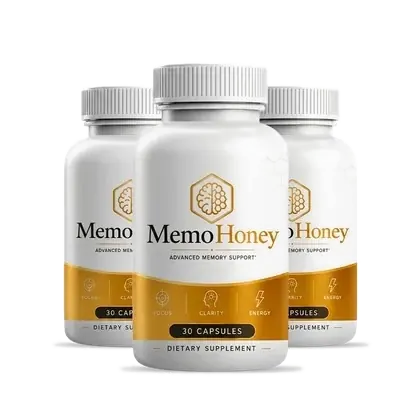
Memo Honey Supplement: What Is in Each Capsule, How to Take It and What It Costs
Memo Honey supplement: what each vegetable capsule holds, how to take one a day, 30 per bottle, the cost per capsule and why there are no gummies or drops.
Evidence check7 min read
Honey for Memory: What Our Sources Say, and What They Don’t
No authoritative source backs honey for memory. Six health sources checked, the five-step honey ad funnel and a quick ad check.

Buyer’s guide8 min read
Best Memory Supplement Over 50? What the Experts Say and What to Ask
Four expert bodies, four tested ingredients, the FTC’s Prevagen win, a self-check and where MemoHoney honestly sits.
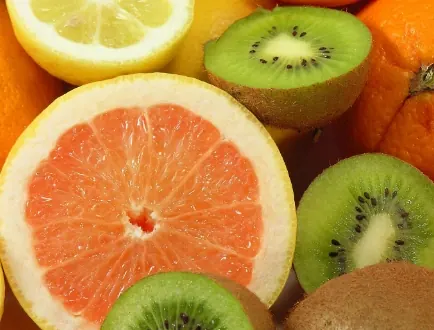
Food first7 min read
Foods for Memory After 50: A Food-First Plan Before Any Capsule
Fruits, vegetables and whole grains as Mayo words it, a plate check on a brand photo, a seven-day swap plan and what food cannot fix.
Every post was last checked against the MemoHoney label and its sources on October 13, 2026.
Which questions do the posts settle?
Five threads run through the blog. Tap one to see the short version of where the posts land.

Honey for memory
Honey
We found no authoritative source supporting honey for memory, so the post cites nothing for it and explains the ads that sell the idea.
Best memory supplement over 50
Supplements
Four expert bodies back no memory supplement. The post adds the Prevagen court case and a self-check.
Foods for memory
Food
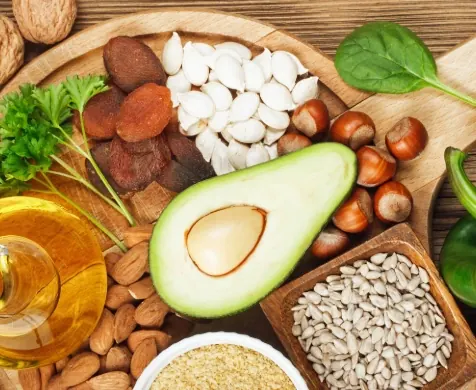
Fruits, vegetables and whole grains, in Mayo Clinic’s words, plus a seven-day plan of small swaps.
All three posts
Warning signs
Lapses that upset daily life go to a doctor, not to a jar, a pill or a menu.
All three posts
MemoHoney
No honey, no study and amounts far below research doses. Each post says so where it matters.
The long reads, memory after 50 and the honey name, sit on the guides page.
Which ad lines does the blog put to the test?
Lines from memory-product ads and look-alike pages, as reported or as we read them, set against what the evidence and the real label show.
- Marketing only
A spoonful of honey at bedtime restores memory
Honey ritual ads, per MalwareTipsNo authoritative source we found supports honey for memory.
- Marketing only
This is the best memory supplement for seniors
Common ad wordingExpert groups name no memory supplement as proven.
- Marketing only
Reverse memory decline in days
Ad wording the FDA flagsThe FDA lists fast reversal of mental decline as a red flag.
- Not shown
MemoHoney with raw honey and royal jelly
A lovable.app pageNot on the real label, which lists amino acids, niacin and calcium.
- On the label
ADVANCED MEMORY SUPPORT*
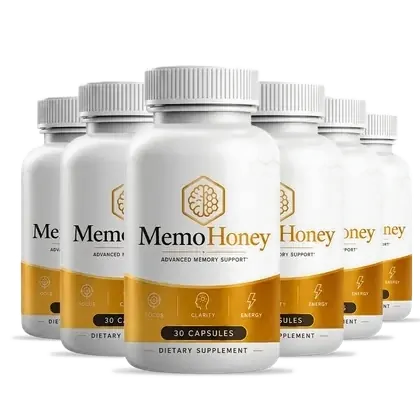
Front of the MemoHoney bottlePrinted on the label; no study of the product backs it.
Our method for checking claims like these is on the editorial standards page.
Which post fits your situation?
Start from what brought you here. Each row points to the post that answers that worry most directly.
- You saw a honey video ad
- Honey for memory. It explains the ad steps, what health sources say instead and how to check an ad in under a minute.
- You are comparing memory pills
- Best memory supplement over 50. It sets out what four expert bodies say, how four well-known ingredients fared and what to ask a seller.
- You would rather start in the kitchen
- Foods for memory. It sticks to Mayo Clinic’s three food groups and turns them into one small change a day for a week.
- You care for a parent
- Start with the memory after 50 guide, then read the supplement post before any purchase is made on their behalf.
Not sure? The honey post is the shortest, and it touches every theme the other two develop.
Which sources does each post rely on?
The table lists the main sources per post. Each one is also linked next to the sentence it supports, so you can open the same page we read.
| Post | Question it answers | Main sources |
|---|---|---|
| Honey for memory | Is honey good for memory? | Alzheimer's Association, Alternative Treatments; Mayo Clinic, Memory loss: 7 tips to improve your memory; FDA, Watch Out for False Promises About So-Called Alzheimer's Cures; Global Council on Brain Health (AARP), The Real Deal on Brain Health Supplements |
| Best memory supplement over 50? | What is the best memory supplement over 50? | Global Council on Brain Health (AARP), The Real Deal on Brain Health Supplements; FTC, Statement on win against Prevagen makers; Alzheimer's Association, Alternative Treatments; NCCIH, 7 Things To Know About Supplements and Alzheimer's; FTC, Health Products Compliance Guidance |
| Foods for memory | Which foods help memory after 50? | Mayo Clinic, Memory loss: 7 tips to improve your memory; Global Council on Brain Health (AARP), The Real Deal on Brain Health Supplements; Alzheimer's Association, Alternative Treatments; NIH ODS, Niacin (consumer) |
Not all sources weigh the same. Government pages from NIH, FDA and FTC come first, then Mayo Clinic and the Alzheimer’s Association, then the AARP-convened GCBH panel. Where no strong source exists, as with honey, the post says so instead of reaching for a weak one.
How is a blog topic chosen and checked?
It starts with real search phrases and ends with a dated recheck. In between, three rules hold.
- What the capsule contains is read off the MemoHoney bottle itself; brand web pages come second.
- Health statements are tied to a source we opened and read in full, never to memory or a summary.
- If no good source covers a question, the post says that plainly and cites nothing.
Search phrases come from Google and Bing suggestions, so the questions are the ones readers ask, such as “is honey good for memory” or “best memory supplement for seniors”, not ones we would prefer to answer.
After a post goes live it is not left alone. When the brand changes its label or a health page we cite is revised, the post is reread, corrected where needed and given a new check date. Older readers and their families often print these pages for a doctor’s visit, so a stale line matters more here than on most blogs.
Who writes the blog, and what is our stake?
The MemoHoney Editorial Desk at Memohoneycare, the U.S. stocking partner for MemoHoney. We earn money when people order MemoHoney.
Spot an error? Write to [email protected]. That inbox handles the website; order questions go to [email protected].
Questions about the MemoHoney Blog
What is the MemoHoney Blog about?
Memory after 50: honey claims, memory supplements and food. Each post answers one search question with sources.
Does the blog say honey helps memory?
No. We found no authoritative source supporting honey for memory, and the honey post says so.
Does the blog recommend a memory supplement?
No. The supplement post explains why expert groups recommend none and what to ask before buying any.
Is the blog medical advice?
No. It sets out public sources and the label. Take memory concerns to a doctor who knows your history.
How often are posts updated?
Whenever the bottle text or one of the cited pages is revised. The latest check was on October 13, 2026.
Are the photos on the blog real customers?
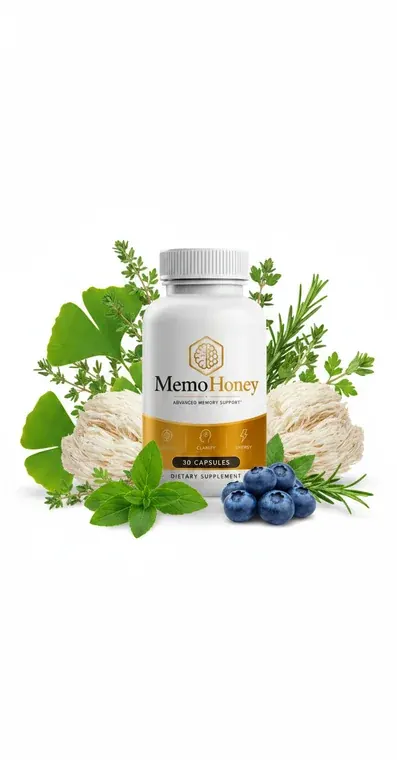
No. They are the brand’s stock and food photos, labeled as such. None shows a customer or an ingredient.
Can I suggest a question for a post?
Yes. Email [email protected] with the question as you would type it into search.
Page check
Written by
Reads the MemoHoney label line by line and weighs each health statement against NIH, Mayo Clinic and Alzheimer's Association guidance.
- Label re-read on October 13, 2026
- Product details: the printed label and brand pages. Health details: the sources linked in the text
- Found an error? Write to [email protected]. How we work: editorial standards