Foods for Memory After 50: A Food-First Plan Before Any Capsule
Quick answer
Mayo Clinic’s food tip for memory is a pattern of fruits, vegetables and whole grains, one of seven habits. The GCBH says to get nutrients from food and skip brain supplements. No source we use names a single brain food, and lapses that upset everyday life call for a doctor, not a menu.
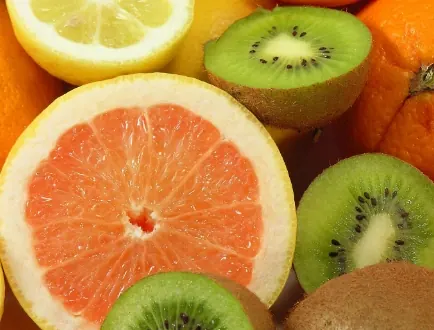
Which foods help memory, according to Mayo, the GCBH and NIA?
Fruits, vegetables and whole grains, eaten as a regular pattern. That is how Mayo Clinic words its food tip, one of seven memory habits on its list (Mayo Clinic, Memory loss: 7 tips to improve your memory). It names food groups, not a single wonder food.
The Global Council on Brain Health adds the other half of the message: get your nutrients from a healthy diet rather than from pills sold for the brain (Global Council on Brain Health (AARP), The Real Deal on Brain Health Supplements). The NIA page we use on forgetfulness is about warning signs and treatable causes, not menus, so we do not stretch it into food advice.
We sell MemoHoney, a capsule. Its sales photos show fruit, nuts, beans and fish, and we reuse those brand photos here. None of those foods is in the capsule, and nothing on this page depends on buying it.
What on this plate fits Mayo’s three food groups?
Most of it. Tap the numbers to see which items match the fruits, vegetables and whole grains Mayo names, and which ones our sources simply do not mention.
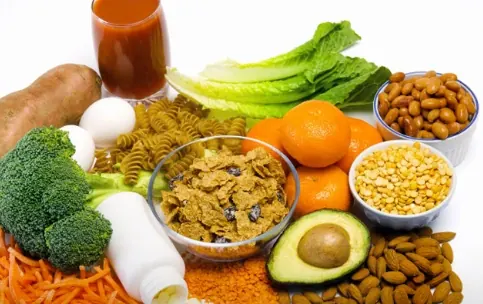
- Broccoli and carrots. Vegetables, the second of Mayo’s three groups. Raw, steamed or roasted all count.
- Lettuce. A leafy vegetable. Easy to add to lunch without changing anything else.
- Oranges. Fruit, the first group. A whole orange needs no cooking and travels well in a bag.
- Flake cereal. A grain food. Mayo says whole grains, so check that the box lists a whole grain first.
- Almonds and lentils. Mayo’s tip does not name nuts or beans, and none of our sources ranks them for memory. They are shown here as part of a mixed plate.
- The white bottle. Not food. The GCBH advice is to get nutrients from meals and save the money spent on brain pills.
Caption note: this is a brand photo. The foods are styling, not ingredients, and the bottle is not shown as a recommendation.
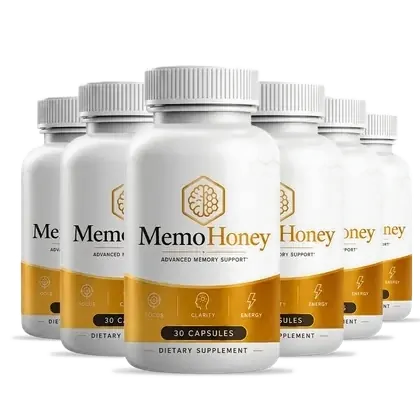
The 6-bottle box is the cheapest way to buy MemoHoney.
$49 per bottle with the 6-bottle box, $294. Refunds within 60 days · 3 or 6 ship free · BuyGoods secure payment.
Do our sources name single brain foods like blueberries or fish?
No. None of the sources we use ranks one food above another for memory, and the Alzheimer’s Association says no food, drink or supplement has proof that it prevents, treats or cures Alzheimer’s (Alzheimer's Association, Alternative Treatments).
Lists of “top brain foods” go further than that evidence. You will also see named eating plans in articles about memory. They are not in our source list, so we leave them out rather than guess at what they show.
What the sources do support is simple and cheap. Buy fruit you like and will eat. Keep frozen vegetables for nights you are tired. Pick bread, oats or rice with whole grain on the label.
None of that needs a special list or a special price.
What could a week of small food changes look like after 50?
One change a day, each one tied to a Mayo habit. These are our ideas for putting the tips into practice, not a plan from any source.
- Mon
Fruit at breakfast
Add one piece of fruit to the meal you already eat.
- Tue
One whole-grain swap
Trade white bread or rice for a whole-grain version at one meal.
- Wed
Half a plate of vegetables
Fill half the dinner plate with vegetables, fresh or frozen.
- Thu
Fruit for dessert
Peaches, berries or an orange in place of something baked.
- Fri
Cook with company
Share a meal with a friend or relative. Mayo lists social contact as a tip too.
- Sat
Walk to the store
Pair the shopping trip with a walk; physical activity is Mayo’s first tip.
- Sun
Plan next week
Write a short shopping list. Staying organized is another tip on the list.
If a change sticks, keep it and add the next. If it does not, skip it. A pattern you keep beats a perfect week you abandon.
What do food-and-memory searches get right and wrong?
Most searches ask for a food that boosts or restores memory. Our sources answer a narrower question. Here is how common searches line up with what they actually say.
| What people search | What our sources say | Where to read more |
|---|---|---|
| foods for memory loss | Real memory loss needs a doctor first; food is not a treatment for it | Memory after 50 guide |
| foods for memory and brain health | Fruits, vegetables and whole grains, next to six other Mayo habits | This post |
| foods for memory boost | No source promises a boost; no single food is proven against Alzheimer’s | This post |
| foods for memory and focus | Sleep and activity are separate Mayo tips; food is one part | Memory after 50 guide |
| honey for memory | We found no authoritative source supporting it | Honey for memory post |
| what foods have niacin | Our sources give the daily need, not a food list; ask a dietitian | Niacin page |
The posts named above: memory after 50 guide, honey for memory and the MemoHoney niacin page.
Is food better than a memory capsule?
By the measure our sources use, yes. The GCBH tells readers to save their money, eat a healthy diet and build healthy habits rather than buy brain supplements (Global Council on Brain Health (AARP), The Real Deal on Brain Health Supplements).
Compare the two nutrients on the MemoHoney label with daily needs. Its 7.5 mg NE of niacin is about half of the 14 mg NE women and 16 mg NE men need each day (NIH ODS, Niacin (consumer)). Its 18 mg of calcium is tiny next to the 1,000 to 1,200 mg adults over 50 are advised to get (NIH ODS, Calcium (consumer)). Ordinary meals do most of that work already.
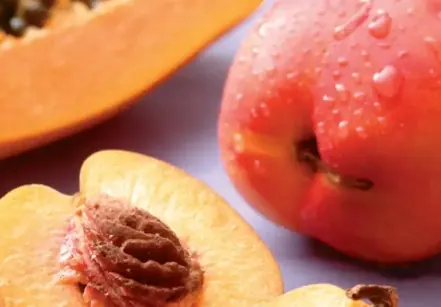
The rest of the MemoHoney label is amino acids at milligram amounts, far below the grams used in research, and no trial ties them to better recall. Food will not fix a medical problem either, but it does not pretend to.
When is food not enough for memory problems?
When the lapses are changing daily life. Memory loss that disrupts routines, confusion about time or place, and trouble planning are signs to take to a doctor (Alzheimer's Association, 10 Early Signs).
Some causes are about nutrition, which is why a visit beats guessing. Low vitamin B12 can cause memory loss and should be treated, the NIA says (NIA, Forgetfulness: Knowing When to Ask for Help). A blood test shows whether you are short.
Foods and memory: your questions
What are the best foods for memory after 50?
Mayo Clinic’s tip is a diet with plenty of fruits, vegetables and whole grains. Our sources do not rank one food above the rest.
Are there foods for memory loss?
Food is not a treatment for memory loss. Lapses that disrupt daily life need a doctor, who can check for treatable causes like low B12.
Which foods boost memory fast?
None that our sources name. The Alzheimer’s Association says no single food has been proven to prevent or cure Alzheimer’s.
Are blueberries or fish good for memory?
None of our sources singles them out for memory, so we make no claim either way. Blueberries are a fruit, which fits Mayo’s food tip.
Is it better to eat well or take a memory supplement?
Eat well. The GCBH says to get nutrients from a healthy diet and save the money spent on brain supplements.
Do the foods in MemoHoney photos appear in the capsule?
No. Fruit, nuts, beans and fish in MemoHoney photos are brand styling. The capsule holds amino acids, niacin and calcium.
Can I get niacin from food instead of a capsule?
Most adults can. Adults need about 14 to 16 mg NE a day; ask a dietitian which foods suit you.
Does honey count as a memory food?
We found no authoritative source supporting honey for memory. Treat it as a sweetener, not brain care.
Page check
Written by
Reads the MemoHoney label line by line and weighs each health statement against NIH, Mayo Clinic and Alzheimer's Association guidance.
- Label re-read on October 13, 2026
- Product details: the printed label and brand pages. Health details: the sources linked in the text
- Found an error? Write to [email protected]. How we work: editorial standards